Parking Lot Lighting Maintenance Checklist for Safer Nighttime Customers in Huntsville, AL
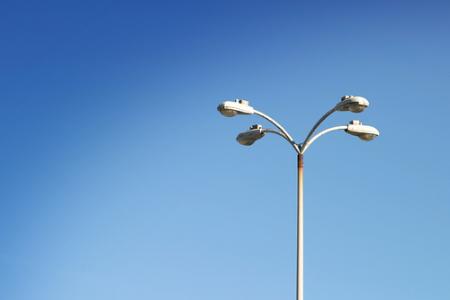
Night falls fast in North Alabama, and customers notice the difference between a bright, welcoming lot and one with dark corners. This checklist shows what a professional crew should cover during a service visit so your property stays safe, clean, and consistent after dark. If you want a partner to handle the work for you, explore our parking lot lighting maintenance services with A&M Signs and Lighting here in Huntsville.
Why Parking Lot Lighting Maintenance Matters in Huntsville
From Downtown events near the Von Braun Center to busy corridors along University Drive and Memorial Parkway, evening traffic is steady. Customers and staff need clear walkways and even light levels to feel secure. Reliable lighting also supports cameras, reduces slip-and-fall risks, and protects your brand image. In a growing market like Huntsville and nearby Madison, a bright lot signals that you care about safety and attention to detail.
How Often Should Your Lot Be Serviced?
There is no single schedule that fits every property. The right plan depends on pole height, fixture type, operating hours, and weather exposure. A typical rhythm for North Alabama properties looks like this:
- Monthly: Nighttime walkthrough by your contractor to confirm coverage and note outages.
- Quarterly: Full visual inspection from the ground and bucket, cleaning lenses, tightening hardware, and checking controls.
- Semiannually: Deeper testing of drivers, wiring, and connections, plus aiming checks on flood fixtures.
- After severe storms: Rapid assessment to catch wind or surge damage before it spreads.
- Annually: Review of uniformity and upgrade needs, including discussions on controls and optics.
In winter, early sunsets make outages stand out sooner. In spring, thunderstorms can stress wiring and controls. Build flexibility into your plan so your provider can respond fast when conditions change.
The Field Checklist Your Contractor Should Follow
Nighttime Walkthrough and Dark Spot Mapping
A proper visit starts in the dark. Your contractor should walk primary drive lanes, ADA routes, and pedestrian cut-throughs to mark any low-visibility areas. They should note glare at drive entries and light spill that might distract drivers leaving the lot. Schedule quarterly nighttime walkthroughs to catch patterns early and keep coverage consistent between poles.
Pole, Fixture, and Wiring Inspection
Technicians should check pole plumb and base condition, verify anchor bolt integrity, and look for rust or impact damage. At the head, they should inspect fixture housings, gaskets, and lens seals, then test drivers, connectors, and fuses. Small issues grow when humidity and heat hit in summer, so a thorough bucket check pays off. If a driver fails on a multi-head run, your contractor may recommend replacing matched components together for even output.
Photocell, Timer, and Control Settings
Controls drift. Crews should confirm on/off times match your hours and that photocells are clean and unobstructed. For businesses with late closings near MidCity or Bridge Street, staggered dim periods can hold brightness where people park while trimming energy at the edges. Never leave lights on manual override for long periods, since that hides true failures and drives up bills.
Cleaning and Optics
Dirt, pollen, and insects reduce output. Lenses and shields need regular cleaning to restore performance. In older lots, optics may not match the layout, which creates bright “hot spots” and nearby shadows. Your provider should recommend improved optics or distribution patterns that maintain even light across aisles and sidewalks.
Documentation and Reporting
Every visit should end with a clear report: what was tested, what was fixed, what parts were used, and what needs follow-up. Photos of the work and a simple map of trouble areas help you track trends over time. Ask for written documentation of outages within 24 hours when safety is a concern, especially in higher-traffic sites downtown.
Avoiding Dark Spots in Lots and Walkways
Dark spots make people uneasy and can cause trip hazards near curbs, medians, and cart returns. The usual culprits are easy for a qualified crew to diagnose and correct:
- Obstructed fixtures from tree growth or new signage blocking spread.
- Aging optics that push light too far into drive lanes and away from parking rows.
- Mixed fixture types or color tones that trick the eye and hide contrast changes.
- Voltage drop or loose connections that dim fixtures at the end of a run.
- Inconsistent pole spacing or height after remodels or partial upgrades.
A structured maintenance plan, paired with the right optics and controls, keeps walkways, crosswalks, and cart paths visible without glare.
Recommended Lighting Upgrades for Safer, Brighter Nights
Modern LEDs offer high output with steady, comfortable light. If your lot still runs older tech, a measured upgrade can improve visibility and reduce service calls. Consider:
LED conversion with matched optics. This stabilizes color and brightness while improving uniformity. If you are exploring options, review our LED lighting services to see how a tuned package can brighten lanes and reduce maintenance headaches.
Smart photocells and time-based scenes. Contractors can set dim periods after peak traffic, then bring lights up early for opening crews. This keeps core areas bright while trimming edges when foot traffic is light.
Targeted fixture swaps. Replacing only the heads that cause glare or shadow lines can yield quick gains without a full rebuild. Your provider will match beam spread to your aisles and sidewalk approaches.
Seasonal and Local Factors Around Huntsville, AL
Huntsville’s calendar shapes your plan. Early sunsets in November and December shorten evening visibility windows. Spring storms can knock out controls or loosen hardware. Event nights downtown increase pedestrian flow, and busy shopping seasons fill lots at different hours than normal.
Local tip: after the time change in early November, book an extra nighttime check. It reveals dim zones that go unnoticed in summer and helps your team adjust timers before peak holiday traffic.
Have your provider recheck storm-prone poles each spring. Quick torque checks and control tests catch minor issues before they become outages.
Neighborhood context matters too. Lots near Research Park may see late employee shifts, while retail centers off University Drive attract families after dinner. Your contractor should tune schedules and light levels to when real people use your site, not just to the clock.
What Happens When You Delay Maintenance?
Small failures spread. A single dim head can force customers to park farther away or choose a competitor with a brighter lot. That same dim area can hide curbs or puddles on rainy nights. Left alone, heat and vibration shorten driver life and stress wiring, turning one repair into a string of calls. Never ignore repeated tripped breakers or flicker on a single circuit; that is a sign you need a qualified technician to investigate.
Delays also raise energy use. Dirty lenses, mis-aimed heads, and overrides keep lights on longer and work harder than needed. A planned visit tightens everything back to baseline, restores output, and reduces waste.
The Maintenance Checklist Your Provider Should Deliver
Use this as a conversation guide with your contractor. It is not DIY, but it helps you set expectations and hold the work to a standard your customers will feel.
Inspection and testing:
- Pole bases, anchor bolts, and plumb verified; hardware tightened.
- Fixture housings, gaskets, and lenses cleaned; seals checked.
- Drivers, connectors, and wiring tested; failures replaced with matched parts.
- Photocells and timers cleaned and reset to current operating hours.
- Nighttime walkthrough with notes on glare, spill, and shadow lines.
Reporting and follow-up:
- Photo log of work performed and before/after on key areas.
- Simple map showing outages resolved and areas to monitor.
- Upgrade recommendations prioritized by safety impact and downtime risk.
Choose a Partner Who Owns Nighttime Safety
A&M Signs and Lighting is a local signs and lighting team that understands North Alabama sites, traffic patterns, and weather. See how we handle full-service parking lot lighting maintenance and reporting that makes your job easier. For a broader look at what we do, you can also explore light pole installation when poles, arms, or bases need replacement.
If you want the big picture and trusted help, learn more about parking lot lighting maintenance in Huntsville, AL with A&M Signs and Lighting. We focus on safe walk paths, clear drive aisles, and even coverage that feels comfortable to the eye.
Ready To Keep Your Lot Safer After Dark?
Customers remember how your property feels at night. Let us maintain bright, even coverage so people arrive confident and leave happy. Schedule service with A&M Signs and Lighting at 256-803-3585, or start here: parking lot lighting maintenance. We will build a schedule that fits your hours, weather, and traffic patterns in Huntsville and nearby communities.
Contact Us for Expert Signage and Lighting Solutions in Huntsville!